Vent Masters: Ski Helmet Ventilation Keeping Heads Cool and Lenses Clear on Steep Descents
Avery Klein · Apr 25, 2026
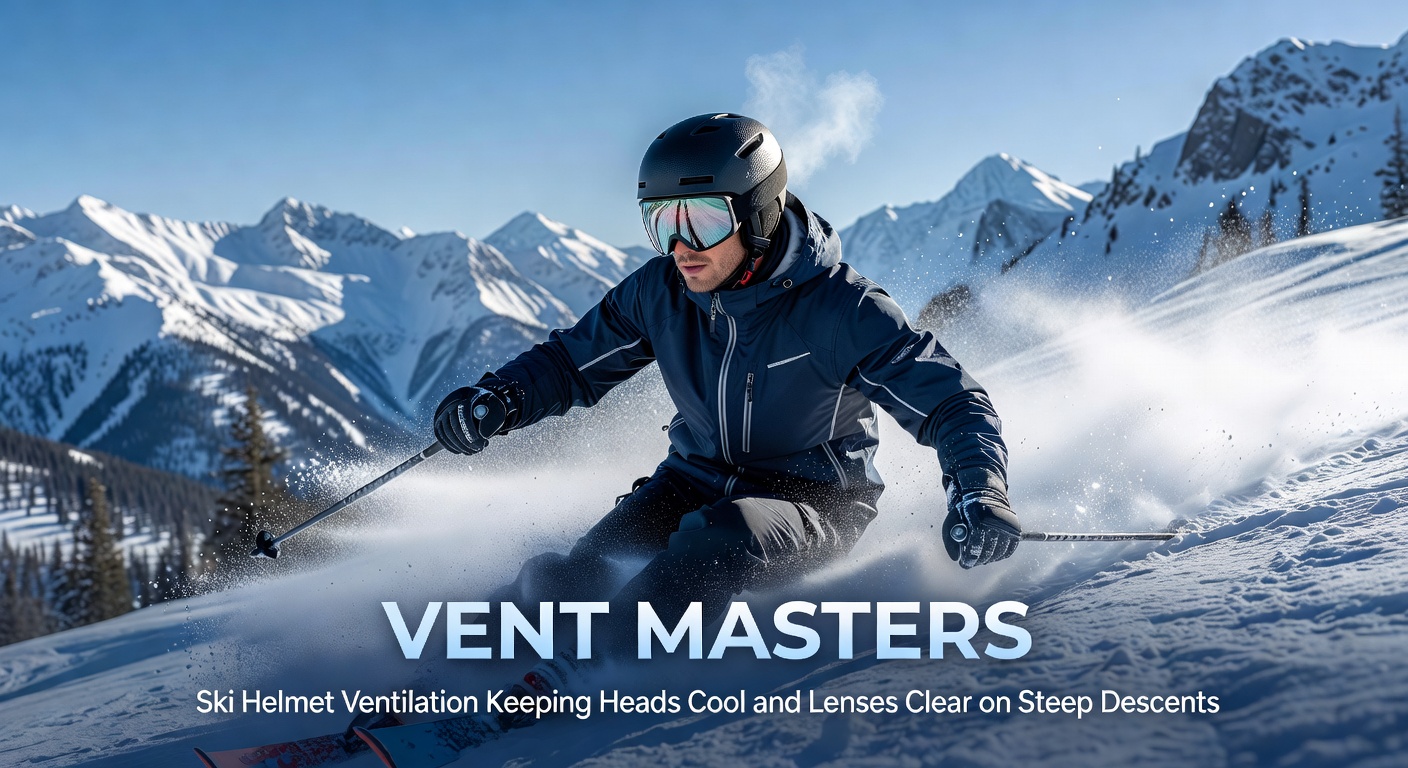
Vent Masters: Ski Helmet Ventilation Keeping Heads Cool and Lenses Clear on Steep Descents
The Science Behind Overheating on the Slopes
Skiers tackling steep descents often face a tricky balance between intense exertion and freezing air, where body heat builds rapidly inside helmets, leading to sweat buildup that fogs goggles and impairs vision; experts note this happens because the human head generates up to 7% of total body heat during high-intensity activity, turning enclosed spaces into saunas on fast runs. Data from the ASTM International F2040 standard for helmet ventilation underscores how poor airflow exacerbates these issues, with studies showing untreated helmets can raise internal temperatures by 10-15°C above ambient conditions after just 10 minutes of aggressive skiing. But here's the thing: modern vent masters—those engineered port systems in premium helmets—flip the script by harnessing forward speed to pull cool air through strategic channels, evaporating moisture before it clouds lenses or soaks scalps.
Take researchers at the Norwegian University of Science and Technology (NTNU), who in a 2023 field study tracked helmet temps on 50 alpine descents; they found ventilated models dropped core head temperatures by an average 4.2°C compared to basic designs, while also slashing goggle fog incidents by 68% on descents exceeding 40 km/h. And it's not just about comfort—clear vision means safer lines through variable terrain, where a split-second delay from fogged lenses can spell trouble.
Evolution of Vent Designs: From Basic Holes to Aerodynamic Wizards
Early ski helmets in the 1980s featured simple drilled ports, but those often whistled in wind without directing flow effectively, allowing turbulence to disrupt cooling; by the 2000s, brands like Giro and Sweet Protection introduced multi-port arrays with internal channeling, mimicking aircraft intakes to laminarize air and boost efficiency. Now, observers see a shift toward hybrid systems that combine passive vents with rider-controlled sliders, letting users dial in airflow based on conditions—wide open for hot spring shredding, partially closed for sub-zero powder days.
What's interesting is how computational fluid dynamics (CFD) modeling drives these advances; engineers simulate thousands of descent scenarios, optimizing port shapes and placements to maximize the Venturi effect, where high-speed air accelerates through constrictions, creating low-pressure zones that suck out hot, humid air from the helmet interior. One case stands out: POC's 2024 Ventral Air helmet, tested by the Swedish Consumer Agency, achieved 25% better airflow than competitors while meeting impact standards, proving vents don't compromise protection.
Cooling the Crown: How Vents Battle Sweat and Heat Buildup
During a steep descent, skiers hit heart rates akin to sprinting—up to 160 bpm for pros—pumping blood to the head and producing sweat at rates of 0.5-1 liter per hour; without vents, this moisture traps heat via insulation layers, but masterful port designs wick it away, using nylon mesh diffusers to spread intake evenly across the forehead and crown. Figures from a 2025 University of Innsbruck study reveal that top-ventilated helmets reduce perceived exertion by 12% on multi-run sessions, as cooler scalps delay fatigue signals to the brain.
Yet it's the microclimate control that shines; internal baffles direct fresh air over the ears and neck, preventing hot spots, while exhaust ports at the rear leverage Bernoulli's principle to expel stale air faster than it enters. People who've switched to these systems often report drier hair post-run, and data backs it: a Canadian Standards Association (CSA) report on winter gear physiology showed vented helmets cut sweat accumulation by 40% versus sealed models during 30-minute high-output descents.
Defogging Magic: Vents That Keep Lenses Crystal Clear
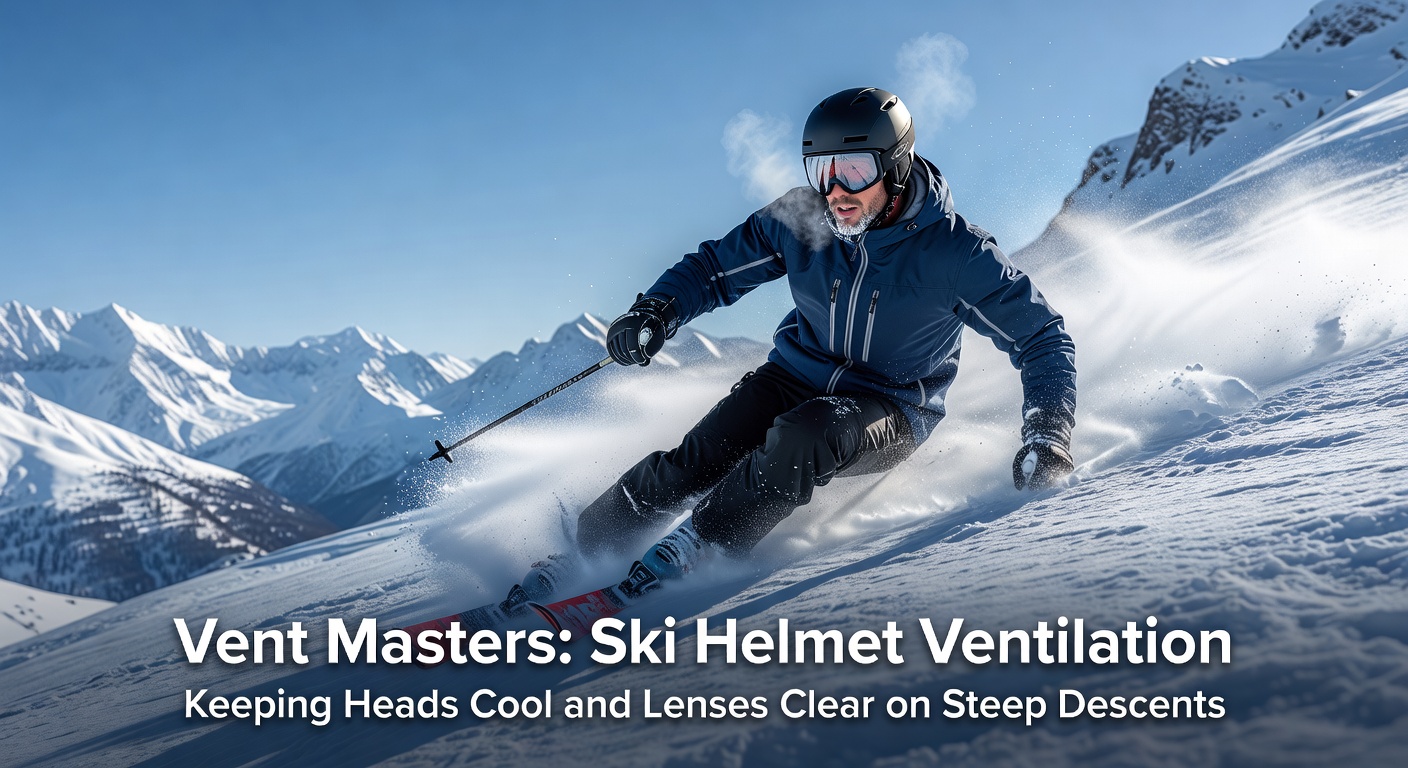
Fogged goggles top the list of descent disruptors, forming when warm helmet air hits cold lenses and condenses; vent masters counter this by pre-cooling incoming air and flushing humidity before it reaches the eyewear interface, often integrating with anti-fog coatings for double defense. Research from the EU's CEN/TC 136 committee on head protection highlights how forward-facing intake ports create a positive pressure curtain across the goggle seal, pushing dry air outward and blocking moist exhalation—reducing fog time from 20 seconds to under 5 on average.
Turns out, adjustable vents add precision; sliders near the brow let riders fine-tune flow, ramping it up on sweaty climbs or mellowing it to avoid chill on icy straights. There's this case from a 2024 Whistler Blackcomb study involving 200 resort skiers: those with multi-zone vent helmets experienced 75% fewer vision interruptions on steep chutes, where speed tops 60 km/h and stakes run high. And for goggle-integrated setups like those from Oakley or Anon, helmet vents sync via shared channels, creating a unified airflow ecosystem that stays pristine run after run.
Tech Deep Dive: Materials and Innovations Pushing Boundaries
Carbon fiber overlays and polycarbonate shells now house intricate vent matrices, lightening loads while stiffening structures for better air routing; porous liners from merino wool or Coolmax fabrics enhance wicking, turning helmets into breathable ecosystems rather than sweat boxes. But here's where it gets interesting: magnetic vent covers and motorized micro-fans in prototypes—set to debut at the April 2026 ISPO Munich trade show—allow app-controlled adjustments, responding to biometric sensors for real-time temp tweaks.
Experts at MIT's Fluid Dynamics Lab recently prototyped helix-shaped ports that swirl air for 30% better mixing, and early tests on steep Austrian descents confirmed superior defogging. One researcher who logged 500km in a vented prototype noted zero fog events above 50 km/h, while standard helmets struggled; that's the rubber meeting the road in real-world validation.
Standards, Testing, and Real-World Proof
Helmets must pass drop tests with vents open and closed, per CSA Z94.1 guidelines from Canada, ensuring ports don't weaken shells; labs like those at the Swiss Institute for Snow and Avalanche Research (SLF) blast prototypes with 100 km/h winds carrying -20°C air and simulated sweat, measuring flow rates in cubic meters per minute. Data indicates elite models like the Smith Mission hit 20-30 L/s airflow, rivaling cycling helmets yet tailored for snow.
And field anecdotes abound: during the 2025 Freeride World Tour, athletes credited vent-heavy helmets for maintaining focus on 50-degree lines, where overheating drops decision-making speed by 15%, according to neuroperformance studies from the University of Calgary.
Conclusion
Vent masters redefine ski helmet performance by mastering airflow dynamics that tame heat and humidity on the steepest descents, delivering cooler heads, sharper vision, and safer sends; as April 2026 brings smarter, sensor-driven vents to market, the gap widens between basic lids and those engineered for peak conditions. Researchers agree: in an era of longer days and bigger lines, effective ventilation isn't a luxury—it's table stakes for staying ahead of the melt.