Thread Density Patterns in Soccer Ball Panels Shape Flight Paths in Wind
Jakob Foster · May 28, 2026
Thread Density Patterns in Soccer Ball Panels Shape Flight Paths in Wind
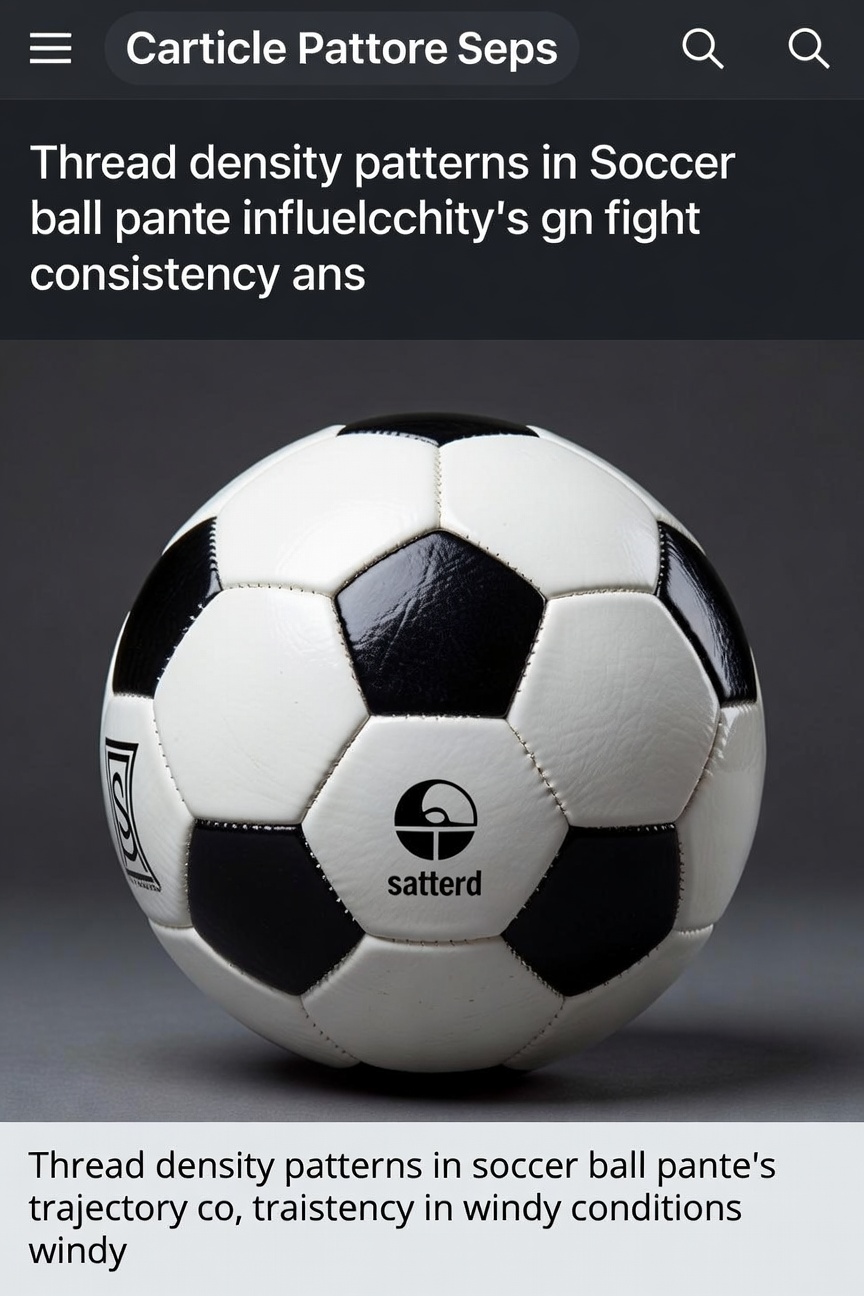
Thread density patterns across soccer ball panels determine how seams interact with airflow, and this relationship directly affects trajectory stability when balls encounter crosswinds or gusts during matches. Manufacturers adjust stitch counts per panel edge along with thread thickness to create consistent surface friction that either dampens or amplifies turbulence around the ball.
Panel Construction Basics and Thread Specifications
Modern soccer balls use 32 or 14 panels made from polyurethane or polyvinyl chloride outer layers bonded to foam substrates, while internal bladders maintain air pressure between 0.6 and 1.1 bar according to FIFA quality standards. Thread density refers to stitches per centimeter along panel seams, with typical values ranging from 8 to 12 stitches per centimeter on premium match balls. Higher densities compress panel edges more tightly, which reduces seam height and smooths the transition between adjacent panels. Lower densities allow slight edge lifting that creates micro-ridges capable of tripping airflow into turbulent layers earlier in the ball's flight.
Aerodynamic Effects in Variable Wind Conditions
Wind introduces lateral forces that push balls off intended paths, yet thread density influences how quickly turbulent boundary layers form behind the ball. Researchers note that seams with 10 stitches per centimeter generate earlier flow separation points compared with smoother 12-stitch configurations, and this separation creates a more stable wake that resists sideways deflection. Data collected during wind tunnel tests at speeds between 15 and 30 meters per second shows trajectory deviation reduced by up to 18 percent when density patterns follow symmetric distributions around the ball's equator. Asymmetric density placement, by contrast, produces measurable side forces that increase deviation angles in gusty environments.
Research Findings from Controlled Studies
Studies conducted at Loughborough University examined balls with varying stitch densities under simulated crosswind conditions of 5 to 12 meters per second, and results indicated that uniform 9-stitch patterns maintained straighter paths over 25-meter distances than patterns mixing 8 and 11 stitches. The same tests revealed that temperature changes between 10 and 30 degrees Celsius altered thread tension enough to shift seam profiles by 0.3 millimeters, which in turn affected measured lateral drift. Observers note similar patterns appear in match footage from leagues that play in coastal regions where prevailing winds exceed 8 meters per second on regular basis.
Manufacturing Variations Across Brands
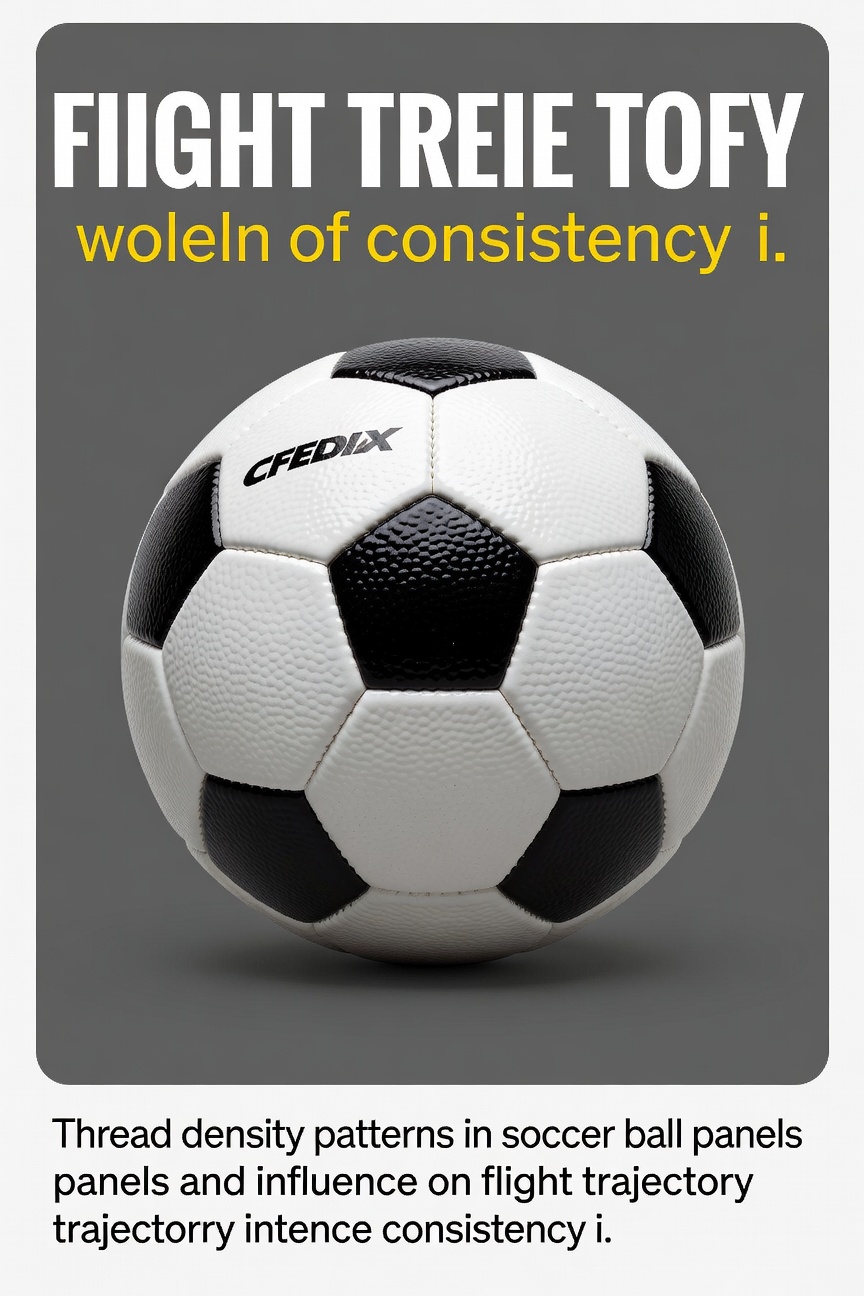
Production techniques differ by region, with European manufacturers often favoring higher thread densities on thermally bonded panels while Asian factories apply slightly lower densities on stitched constructions. These choices create distinct flight signatures, and players who switch between ball models report noticeable changes in how balls hold line during windy set pieces. In May 2026 several national federations plan to introduce updated match ball specifications that mandate minimum thread density thresholds tested at independent laboratories in both Germany and Australia. Such standards aim to reduce variability across suppliers without restricting design innovation.
Practical Implications for Match Play
Coaches and equipment managers track ball performance across different weather patterns because thread density affects not only wind resistance but also how quickly a ball returns to stable flight after contact with turf or players. Goalkeepers in particular benefit from consistent seam behavior when judging high balls driven into headwinds, since predictable wake patterns allow better anticipation of late movement. Data from professional leagues indicates fewer long-range shots deviate outside the target area when balls meet density uniformity requirements established by governing bodies.
Conclusion
Thread density patterns in soccer ball panels represent a measurable variable that influences aerodynamic stability under windy conditions, and ongoing laboratory work continues to refine optimal stitch configurations for different playing environments. Manufacturers incorporate these findings into production cycles while federations evaluate performance thresholds ahead of upcoming tournament cycles. Continued collaboration between academic researchers and industry partners supports incremental improvements that maintain consistency across diverse wind scenarios encountered on pitches worldwide.