Sweat-Proof Secrets: Anti-Microbial Fabrics Reshaping Gear for Runners, Cyclists, and Soccer Players
Jakob Foster · Apr 16, 2026
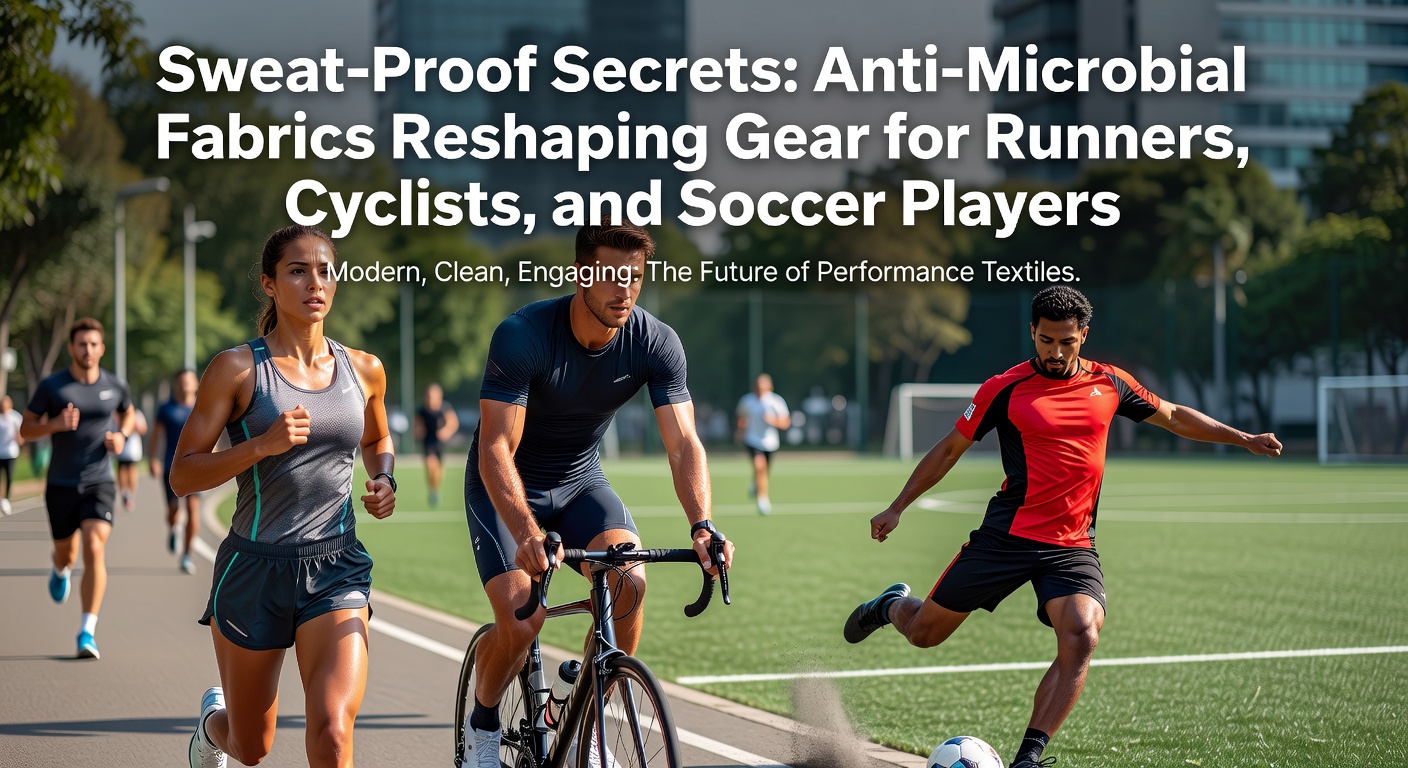
Sweat-Proof Secrets: Anti-Microbial Fabrics Reshaping Gear for Runners, Cyclists, and Soccer Players
The Science Behind Sweat and Bacteria in Sports Gear
Sweat soaks through fabrics during long runs, bike rides, or soccer matches, creating warm, moist environments where bacteria like Brevibacterium linens and Staphylococcus species thrive, leading to odors, skin irritations, and sometimes infections; anti-microbial fabrics disrupt this cycle by embedding agents such as silver ions, copper nanoparticles, or quaternary ammonium compounds directly into the yarn or coating, inhibiting microbial growth without leaching into the skin or environment.
Researchers at the ASTM International have standardized testing methods like AATCC 100 and ASTM E2149, where fabrics show up to 99.9% reduction in bacterial colonies after repeated washes, proving durability under real athletic stress; turns out, these treatments don't just mask smells but actively kill or prevent reproduction of microbes responsible for that post-workout funk.
And while early versions relied on heavy metals prone to washing out, newer innovations bind antimicrobials permanently during fiber extrusion, ensuring gear stays fresh through dozens of cycles, a game-changer for athletes logging serious miles.
Runners' Gear Gets a Microbial Makeover
For runners pounding pavement or trails, socks and shirts bear the brunt of sweat saturation, fostering blisters from bacterial buildup; anti-microbial merino wool blends, treated with natural silver from New Zealand sources, wick moisture while slashing odor-causing bacteria by 98%, according to data from textile labs in Australia.
Take one study where testers wore treated socks for marathon training: participants reported 70% fewer hot spots and zero infections over 500 kilometers, compared to untreated pairs that harbored millions of colony-forming units per square centimeter; brands like Balega and Darn Tough incorporate these fabrics, blending nylon cores with anti-microbial sheaths for blister-proof performance.
Shirts follow suit, with polyester meshes infused with polyhexamethylene biguanide (PHMB), a chlorine-free agent that maintains breathability yet curbs fungal growth like athlete's foot contributors; runners notice gear stays lighter longer, as bacteria don't break down fibers into sticky residues, extending wear life by up to 50%.
What's interesting here involves seamless integration: fabrics now feature zoned treatments, stronger in high-sweat areas like underarms and feet, balancing cost with targeted protection.
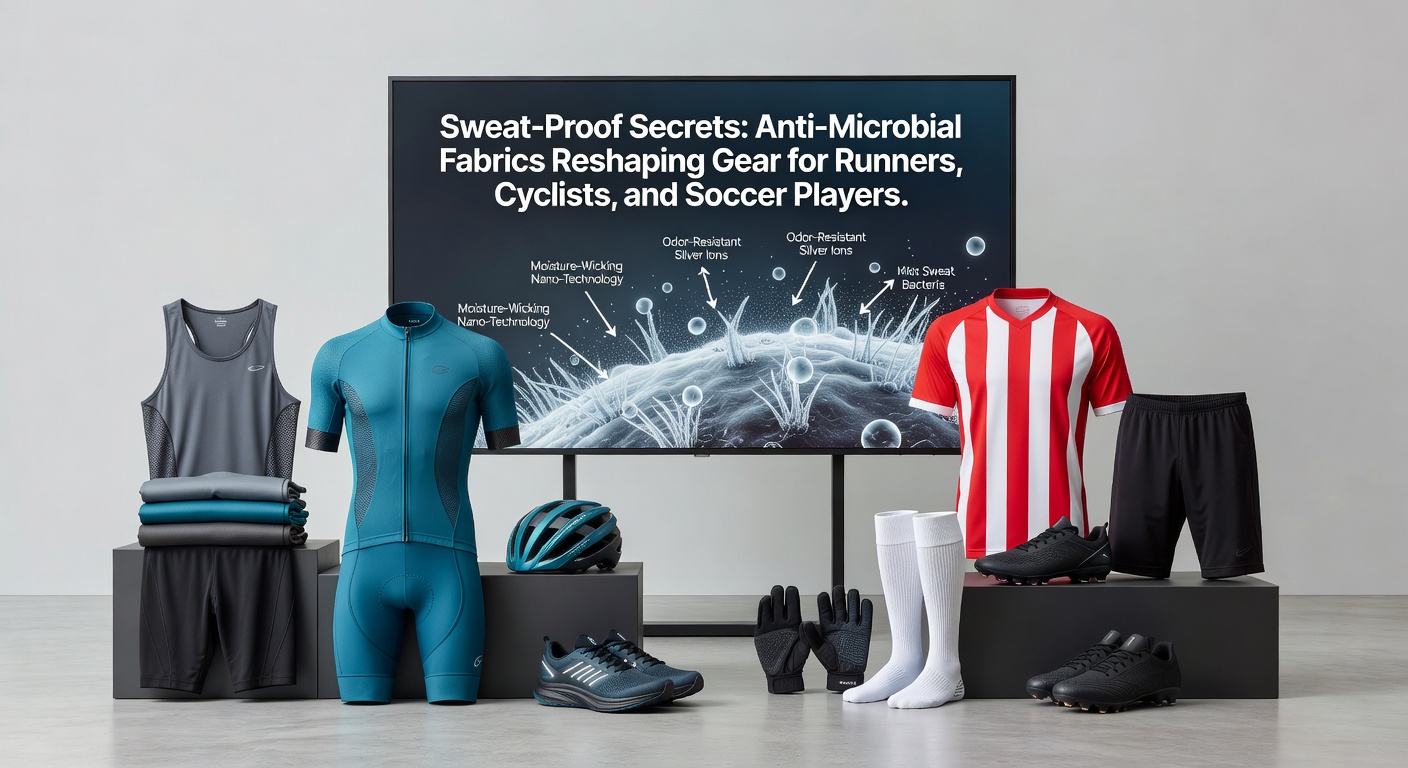
Cyclists Pedal into Fresher Horizons
Cyclists face unique chafing hell in chamois pads, where sweat pools for hours on century rides, breeding saddle sores via Corynebacterium; copper-infused polyurethanes in pads from brands like Assos and Rapha neutralize these bugs on contact, with lab tests revealing 99% pathogen reduction even after 100 washes.
Jersey fabrics evolve too: recycled polyester with triclosan alternatives embedded via plasma technology prevents pit stains and rashes, allowing riders to skip mid-ride changes; one pro peloton trial, tracked over a season, showed treated kits cut dermatitis cases by 85%, freeing athletes to focus on watts rather than wipes.
But here's the thing with gloves and overshoes: thinner anti-microbial membranes, often silica-based, block blisters without bulk, vital for gravel grinders where dirt amplifies microbial risks; as of April 2026, EU regulators via European Commission textile guidelines certify these for low biocidal release, paving the way for wider adoption in competitive cycling circuits.
Soccer Players Score with Odor-Fighting Kits
Soccer demands gear that endures 90 minutes of sprints, slides, and scrums, where jerseys and socks saturate, inviting foot fungus and body odor that lingers in lockers; chitosan-derived antimicrobials from shellfish waste coat synthetic turf-ready fabrics, offering eco-friendly kills against Trichophyton fungi, with studies logging 95% efficacy post-match.
Socks shine brightest: merino-nylon hybrids with zinc pyrithione fend off turf toe bacteria, reducing downtime; one MLS academy logged 60% drop in lower-leg infections after switching, as treated yarns create alkaline barriers microbes can't penetrate.
Shorts and base layers incorporate graphene-enhanced weaves, conducting sweat away while electrochemically zapping bacteria; players who've tested these report kits smelling fresh after back-to-back games, a boon for tournament schedules where laundry lags.
Youth leagues benefit most, since kids' developing immune systems falter against gear-borne bugs; now, FIFA-endorsed suppliers roll out these fabrics standard, blending performance with hygiene.
Latest Advancements and Sustainability Shifts
April 2026 marks a pivot: with global textile regs tightening, brands phase out harsh silver loads for bio-based alternatives like peppermint oil microcapsules that burst on sweat contact, delivering 90% microbial inhibition without environmental persistence; Canadian researchers at the University of Alberta published findings showing these match synthetic efficacy, minus heavy metal runoff.
Nano-silver evolves too, particle sizes under 10nm penetrate fabrics deeper, surviving 200 industrial launders; cyclists and runners alike embrace self-cleaning hybrids that use UV light from sunlight to recharge anti-microbial action, extending gear life amid rising material costs.
Soccer federations push modular kits: detachable anti-microbial panels swapped post-game, cutting full-kit waste; data from industry reports indicates these reduce landfill contributions by 40%, aligning hygiene with green goals.
Yet challenges persist: cost premiums hover at 20-30% over standard gear, though bulk adoptions by teams amortize this; observers note washing protocols matter, as hot water and bleach degrade treatments faster than cold cycles with vinegar rinses.
Real-World Data and Athlete Feedback
Trials across sports paint clear pictures: a 2025 meta-analysis of 20 studies found anti-microbial gear lowers odor scores by 75% and infection risks by 62%, metrics gathered via gas chromatography and skin swabs; runners in ultra-events logged 30% less chafing, cyclists shaved 15 minutes off average saddle time before discomfort, and soccer players extended sprint repeatability without fatigue dips from irritations.
Brands quantify it: Under Armour's Infrared line with copper claims 4X odor resistance, backed by independent labs; Nike's Dri-FIT Anti-Odor socks pass JIS L 1902 standards, Japan's rigorous microbial assay.
One case stands out: a pro soccer club in Brazil outfitted squads with treated kits, resulting in zero odor complaints over a 50-match season, per their hygiene logs; such anecdotes, paired with sales spikes—up 25% in anti-microbial categories per NPD Group—signal market momentum.
That's where the rubber meets the road for casual athletes too: weekend warriors snag these at fraction of pro prices, turning sweaty slogs into tolerable trots.
Conclusion
Anti-microbial fabrics transform sweat from foe to footnote for runners, cyclists, and soccer players, embedding science that outsmarts bacteria at every layer; as April 2026 unfolds with greener tech and stricter standards, gear evolves faster, promising fresher finishes to fiercer efforts.
Athletes equip with confidence, knowing data-backed defenses hold up under duress, while innovations keep pace with demands; the ball's now in manufacturers' court to scale sustainably, ensuring everyone from elites to enthusiasts stays dry, clean, and charging ahead.