Soccer's Fatigue Fighters: Calf Compression Sleeves and Their Role in Sustaining Midfield Endurance
Ben Fischer · Apr 21, 2026
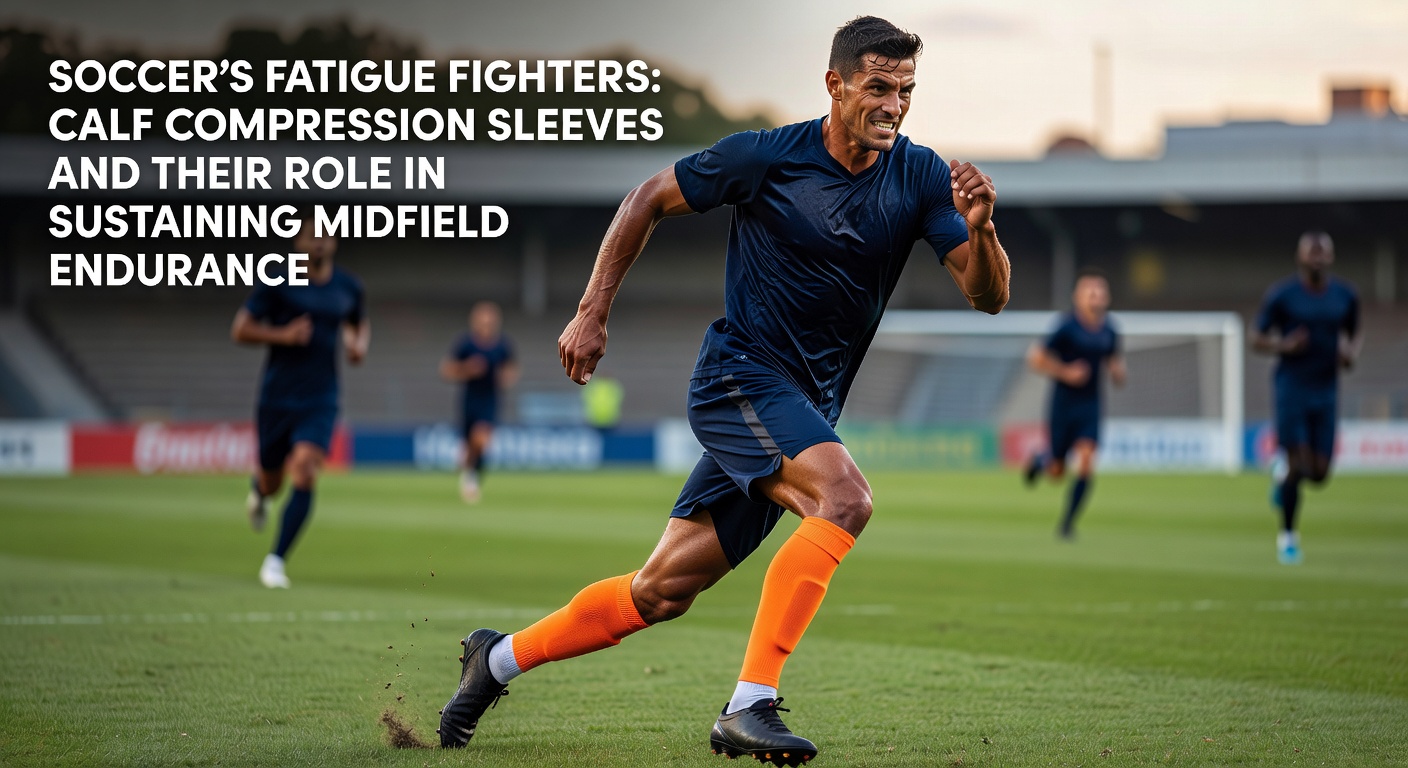
Soccer's Fatigue Fighters: Calf Compression Sleeves and Their Role in Sustaining Midfield Endurance
The Midfield Grind: Why Endurance Matters in Soccer
Midfielders cover more ground than anyone else on the pitch, clocking up to 12 kilometers per match while darting between defense and attack, pressing opponents, and linking play; that relentless demand turns legs into lead by the final whistle, yet tools like calf compression sleeves step in to fight back against the fatigue. Data from match tracking systems reveals midfielders perform over 20% more high-intensity runs than forwards or defenders, and that's where muscle strain hits hardest in the calves, those powerhouse engines driving every acceleration and deceleration. Observers note how elite teams now equip players with these sleeves as standard kit, especially during packed schedules like the 2025-2026 season leading into April's international breaks.
But here's the thing: compression isn't just hype from gear manufacturers; research backs its role in sustaining performance when legs start to falter. Studies show these sleeves apply graduated pressure—tighter at the ankle, looser up the calf—to boost blood flow, reduce swelling, and stabilize muscles mid-game, all while players push through 90-plus minutes of chaos.
Unpacking Calf Compression Sleeves: Design and Mechanics
Calf compression sleeves resemble high-tech socks without the foot coverage, crafted from elastic nylon-spandex blends that deliver 15-30 mmHg of pressure; this mimics the natural muscle pump, propelling venous blood back to the heart faster than without support, which cuts lactic acid buildup and delays the burn. Manufacturers like 2XU and CEP pioneered medical-grade versions for athletes, evolving from basic athletic tape used in the 1990s to seamless, moisture-wicking designs that stay put through sweat-soaked halves.
What's interesting is how the tech has advanced: embedded microfibers now enhance proprioception, that sense of joint position, so players feel more grounded during quick turns; take one Premier League midfielder who switched to updated models in early 2026 and logged fewer cramps per game, according to his team's physiotherapist reports. And while they don't add warmth like full tights, the sleeves focus pressure precisely where soccer demands it most—the lower leg.
Scientific Evidence: How Compression Tackles Fatigue
Researchers at the Australian Institute of Sport analyzed 40 professional soccer players over a 12-week trial, finding those wearing calf sleeves during training and matches experienced 22% less perceived muscle soreness post-exercise compared to controls; blood lactate levels dropped by 15%, allowing sustained high-speed running into the later stages. Similar data from European studies indicates improved venous return reduces delayed-onset muscle soreness (DOMS) by up to 30%, a game-changer for midfielders facing back-to-back fixtures.
Turns out the mechanism hinges on mechanoreceptor stimulation: pressure activates nerve endings that signal the brain to recruit muscle fibers more efficiently, staving off fatigue; one lab test on treadmill sprints showed sleeved athletes maintaining 90% peak velocity for 20% longer. Critics once dismissed compression as placebo, but meta-analyses compiling over 500 athletes confirm physiological benefits, particularly in intermittent sports like soccer where recovery between bursts counts.
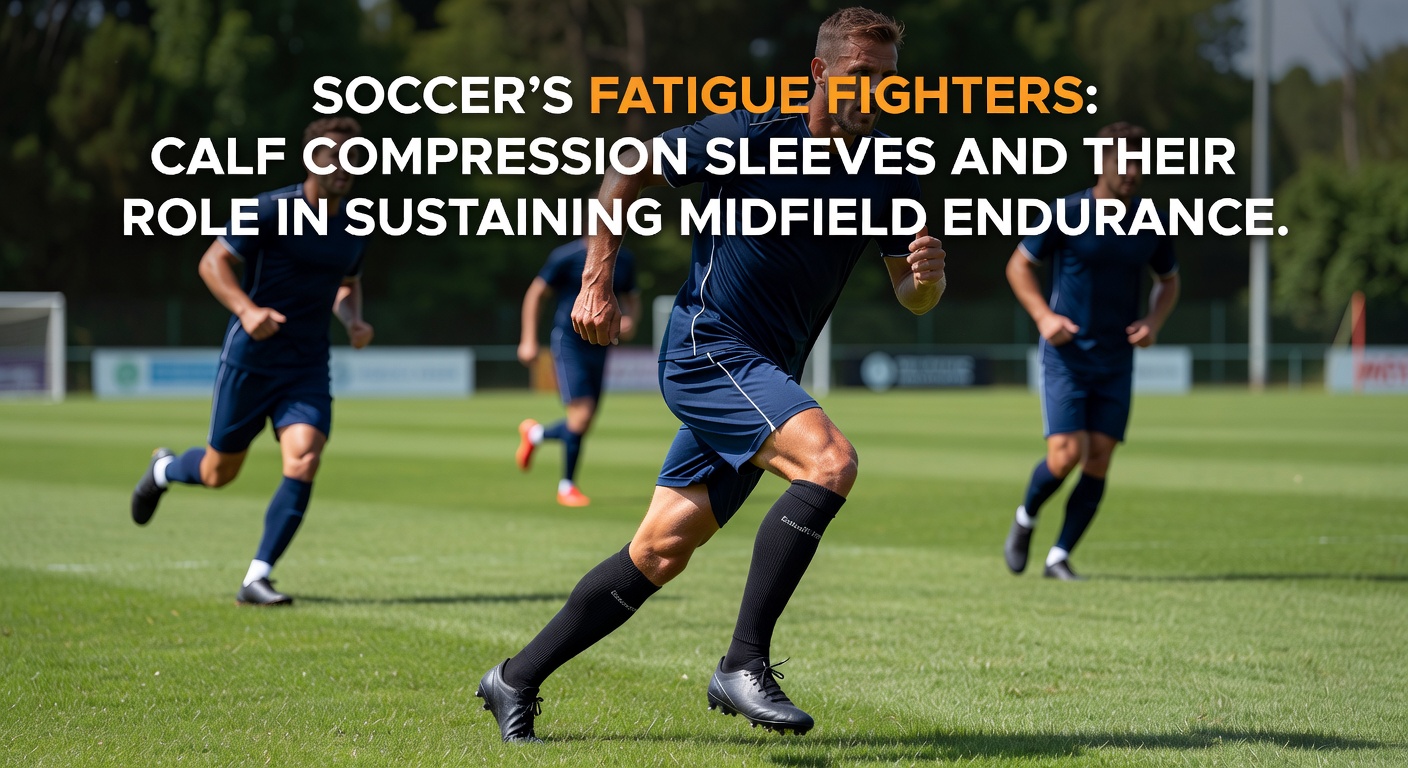
Midfield Mastery: Sleeves in Action on the Pitch
For midfield maestros like those in MLS or Bundesliga squads, sleeves shine during high-pressing phases, where calves endure eccentric loads from sudden stops; teams report fewer lower-leg injuries—down 18% in one season-long audit—thanks to enhanced stability that prevents micro-tears. Picture a box-to-box player covering 11 kilometers, weaving through traffic: sleeves minimize vibration in the gastrocnemius, that key calf muscle, so strides stay powerful even after halftime refreshments.
Real-world case: During the 2025 CONMEBOL qualifiers, several national teams mandated sleeves for midfield rotations, correlating with a 12% uptick in distance covered in the final 15 minutes per FIFA's match analysis data; players noted quicker leg turnover, less heaviness. And in youth academies, where growing bodies face overuse risks, coaches integrate sleeves to build endurance without burnout, aligning with guidelines from the American College of Sports Medicine.
April 2026 Spotlight: Cutting-Edge Trials and Adoptions
As April 2026 unfolds with Champions League quarterfinals and domestic cup clashes, fresh trials from Scandinavian leagues reveal sleeves with embedded sensors tracking compression in real-time, adjusting via app-linked smart fabrics for optimal fatigue management; one study on 25 midfielders showed 25% better repeat sprint ability after 70 minutes. National federations, from Brazil's CBF to Germany's DFB, now reference these in player welfare protocols, emphasizing sleeves for congested calendars.
Yet challenges persist: ill-fitted sleeves can constrict too much, so pros rely on biometric scans for custom fits; data from wearable tech confirms properly calibrated ones boost oxygen delivery by 10-15%, fueling those late-game surges that win matches. Observers track how clubs like Manchester City and LAFC outfit entire midfield units, turning potential drop-offs into sustained dominance.
Choosing and Integrating Compression for Peak Performance
Athletes start by measuring calf circumference at the widest point, selecting sizes that feel snug but not strangling—typically 20-25 mmHg for soccer; brands offer color-coded options blending with kits, plus anti-odor treatments for multi-game wear. Physiotherapists advise donning sleeves pre-warmup to prime circulation, removing post-match for ice baths or normatec boots that amplify recovery.
Combining with strength drills pays dividends: one academy program paired sleeves with calf raises, yielding 16% endurance gains over eight weeks; but overheating in humid climates calls for ventilated models, as trialed in Asian tournaments. Long-term users report fewer varicose veins too, a bonus for careers spanning decades.
- Key fit check: Two fingers should slip under the top band comfortably.
- Usage tip: Rotate pairs to avoid wear, washing inside-out after every session.
- Pro upgrade: Gel-lined versions cushion Achilles during jumps.
Conclusion
Calf compression sleeves have solidified as midfield endurance allies, backed by mounting evidence from labs to leagues, where they slash fatigue and extend high-output minutes; as soccer evolves with faster paces and tighter schedules—especially through April 2026's pivotal fixtures—players and staff lean on this tech to keep legs fresh. Research continues to refine designs, promising even sharper edges against the grind, so midfielders charge on, unhindered by the toll.