Sensor-Embedded Insoles Track Gait Asymmetries to Guide Marathon Shoe and Training Adjustments
Tina Schwarz · Jun 30, 2026
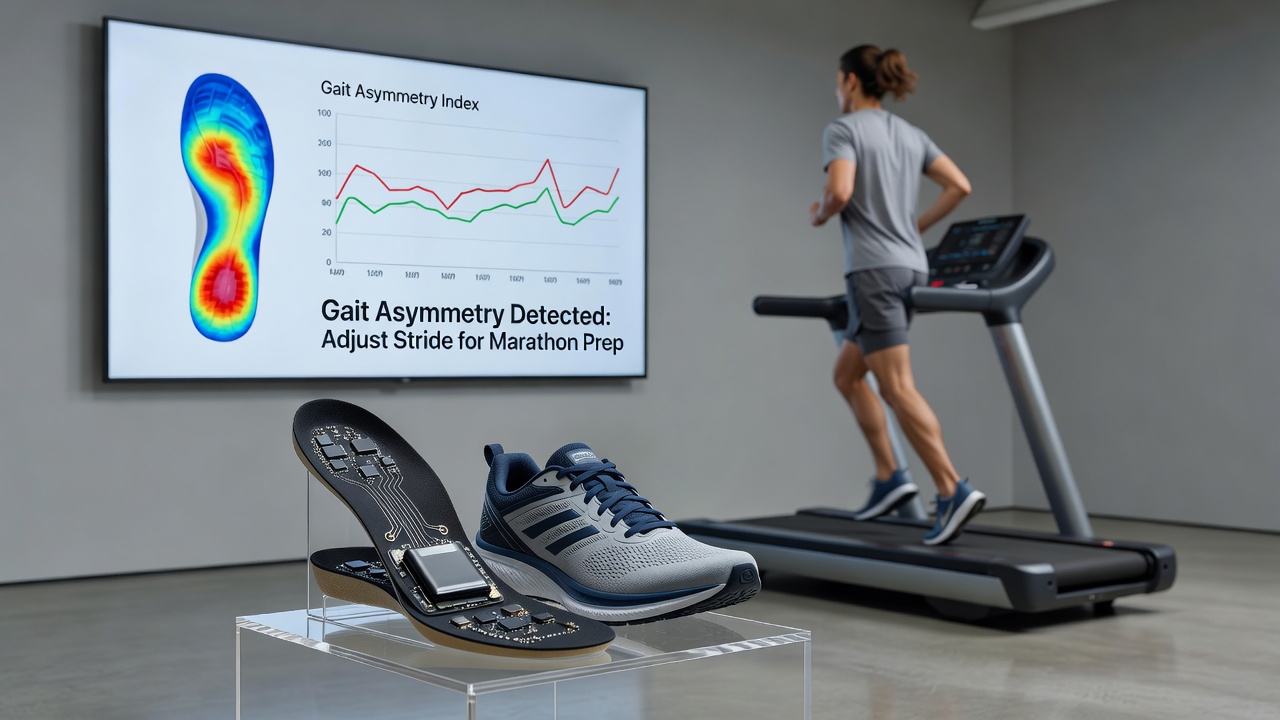
Sensor-Embedded Insoles Track Gait Asymmetries to Guide Marathon Shoe and Training Adjustments
Marathon runners rely on precise biomechanics data to refine performance, and sensor-embedded insoles now deliver real-time measurements of gait asymmetries that traditional observation methods often miss. These thin, flexible devices fit directly into running shoes and capture pressure distribution, stride timing, and force patterns throughout each step, allowing coaches and athletes to identify imbalances that may lead to inefficient pacing or increased injury risk over long distances.
How the Technology Captures Movement Data
Embedded sensors use capacitive or piezoelectric materials to record vertical ground reaction forces at multiple points under the foot, while accelerometers track foot orientation and impact timing. Data transmits wirelessly to a smartphone or wearable receiver, creating detailed graphs that show left-right differences in loading rates and contact duration. Studies from the Australian Institute of Sport indicate these systems detect asymmetries as small as 5 percent in force application, which can accumulate across the 42 kilometers of a marathon and alter overall efficiency.
Manufacturers calibrate the insoles for different shoe models so that midsole cushioning and outsole geometry do not distort readings. Athletes insert the devices once and leave them in place during both training runs and races, because removal and reinsertion can shift sensor alignment. Software platforms then compare successive sessions to reveal whether asymmetries increase with fatigue or remain constant.
Identifying Asymmetries in Training Sessions
Gait asymmetries appear in several measurable forms: unequal push-off force between limbs, longer ground contact time on one side, or altered foot strike angles. Observers note that these patterns often emerge after 20 kilometers when muscle fatigue sets in, yet they remain invisible without quantitative tools. Sensor data collected during tempo runs and long efforts therefore supplies objective markers that runners and their support teams use to decide when to adjust volume, intensity, or recovery protocols.
In June 2026, several major marathon training groups plan to integrate these readings into weekly reviews alongside heart-rate variability and perceived exertion scores. The combined dataset helps isolate whether a persistent left-side loading increase stems from an old injury, current footwear wear, or training load progression. When asymmetries exceed predetermined thresholds, coaches typically reduce mileage or insert targeted strength sessions before symptoms appear.
Linking Sensor Readings to Shoe Modifications
Running shoe brands now design models with interchangeable insoles that accommodate the sensor thickness without altering stack height. When data reveals excessive lateral loading on the right forefoot, for example, athletes may switch to a shoe with a wider toebox or different midsole density on that side. Some manufacturers supply modular components that let runners fine-tune medial posting or heel bevel angles based on the asymmetry profiles recorded during recent sessions.
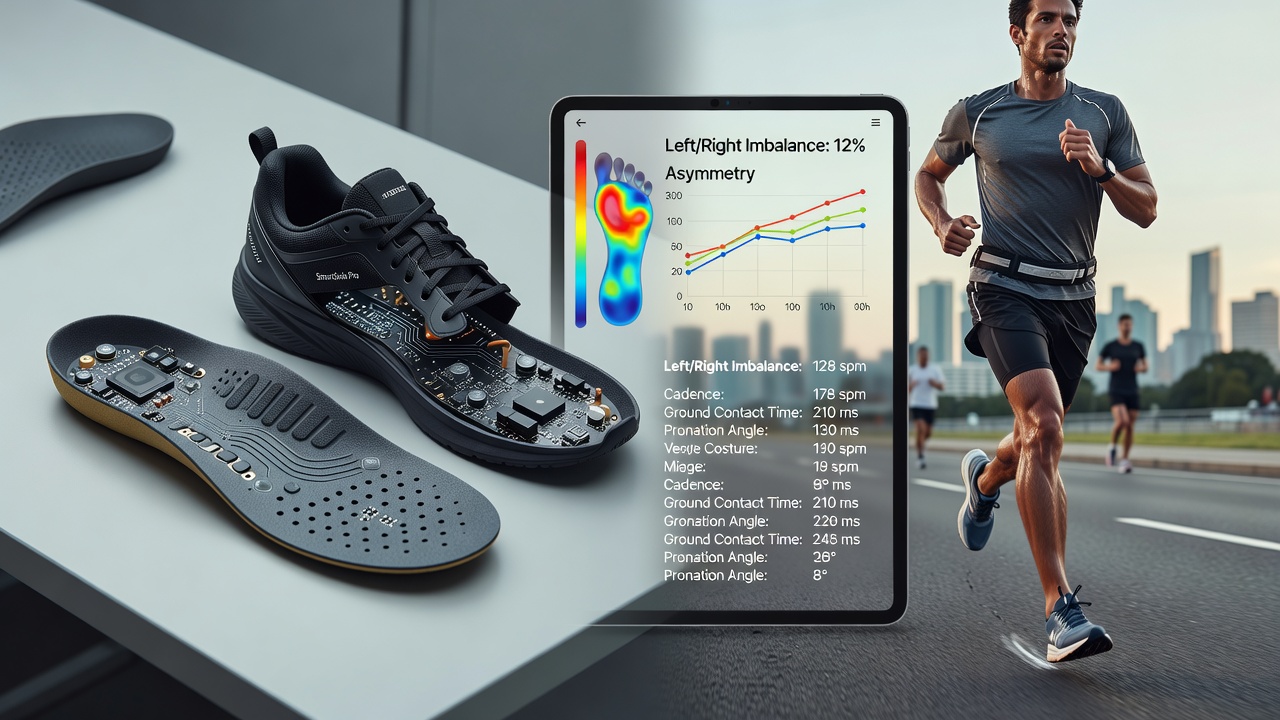
Researchers at the University of Calgary have documented cases where runners who adjusted shoe features according to insole feedback reduced measured side-to-side differences by an average of 12 percent over an eight-week period. Those changes occurred without altering total training volume, suggesting that footwear tweaks can address mechanical imbalances directly rather than requiring complete program overhauls.
Training Adjustments Derived from Continuous Monitoring
Coaches translate asymmetry trends into concrete schedule changes. A runner showing increasing right-leg braking forces late in long runs may receive instructions to shorten one weekly long effort and add single-leg drills on the following day. Others incorporate hill repeats or cadence drills when data indicate that stride length discrepancies grow with speed. Because the sensors log every kilometer, adjustments remain specific to the individual rather than based on generalized population averages.
National governing bodies such as Athletics Canada have begun requiring certified coaches to review sensor-derived reports before approving high-mileage blocks for elite athletes. This practice ensures that training loads match the biomechanical capacity recorded in real conditions instead of relying solely on subjective feedback. The approach also generates longitudinal records that help medical staff correlate past asymmetry spikes with subsequent injury reports.
Integration with Broader Performance Metrics
Sensor insoles operate alongside other technologies, including GPS watches adn metabolic carts, to build a complete picture of endurance capacity. When asymmetry data align with rising oxygen cost or declining stride efficiency, teams can pinpoint the exact distance at which form breaks down. Such integration supports decisions about pacing strategies for upcoming races and helps identify whether a particular shoe model sustains symmetry better than alternatives across repeated high-volume weeks.
Industry reports from the European Athletics Association show that teams using combined sensor and GPS datasets achieve more consistent race-day performances, because training interventions occur earlier in the preparation cycle. The same reports note that athletes maintain symmetry longer when footwear and training load receive simultaneous adjustments based on the same data stream.
Conclusion
Sensor-embedded insoles supply continuous, objective measurements of gait asymmetries that directly inform both shoe selection and training modifications for marathon preparation. Data collected across multiple sessions reveal patterns that guide targeted changes, while integration with other performance tools strengthens the precision of those adjustments. As adoption grows through 2026 and beyond, the technology continues to link biomechanical feedback with practical equipment and schedule decisions that support sustained training consistency.