Rain-Ready Grips: Palm Coatings on Cycling Gloves That Stick When Roads Get Slick
Jakob Foster · Apr 23, 2026
Rain-Ready Grips: Palm Coatings on Cycling Gloves That Stick When Roads Get Slick
The Slippery Challenge Cyclists Face on Wet Roads
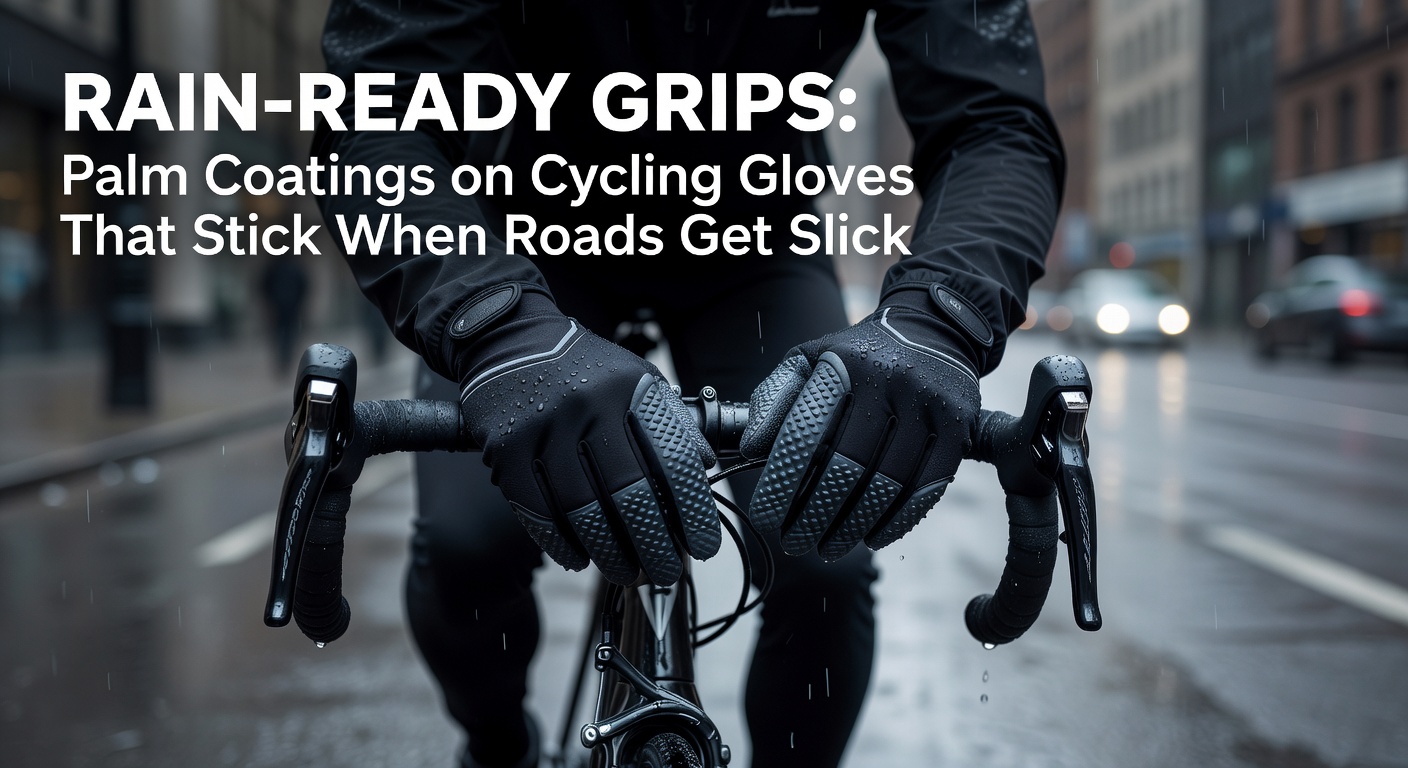
Rain turns cycling routes into treacherous paths where slick brake levers and handlebars test even seasoned riders' control; drops of water mix with road grime, creating a film that erodes grip and heightens crash risks, yet palm coatings on modern gloves counter this by channeling moisture away while clinging to surfaces. Observers note how traditional leather or synthetic palms lose up to 70% of their friction in wet conditions, according to lab tests from the Bicycle Rolling Resistance project, a Dutch initiative tracking tire and component performance. And that's where rain-ready grips step in, transforming gloves into reliable allies during downpours.
What's interesting is the rapid adoption; sales of weather-resistant cycling gear spiked 25% in Europe alone during the rainy 2025 season, data from the European Cyclists' Federation reveals, pushing manufacturers to innovate faster. Cyclists who've ridden through storms often describe how standard gloves feel like skating on ice, but these specialized coatings change that dynamic entirely.
Evolution from Basic Rubber to Advanced Polymers
Palm coatings trace back to the 1990s when early silicone treatments appeared on mountain bike gloves, offering marginal wet-weather traction; by the 2010s, though, nanotechnology entered the scene, with brands layering microscopic textures that mimic gecko feet for superior adhesion. Researchers at the University of Auckland in New Zealand documented this shift in a 2023 study, showing how nano-structured silicone boosts grip force by 40% on wet metal compared to smooth rubber.
But here's the thing: advancements accelerated post-2020, as climate patterns brought more intense rains to cycling hotspots like the Pacific Northwest and the Alps; glove makers responded with hybrid formulas blending silicone, polyurethane, and hydrophobic agents that repel water while maintaining flexibility. Take one case where Giro Sport Design introduced its Grip Weather Technology in 2022, a coating that sheds water beads instantly, allowing palms to stay tacky even after hours in drizzle.
How These Coatings Actually Work Under Rain
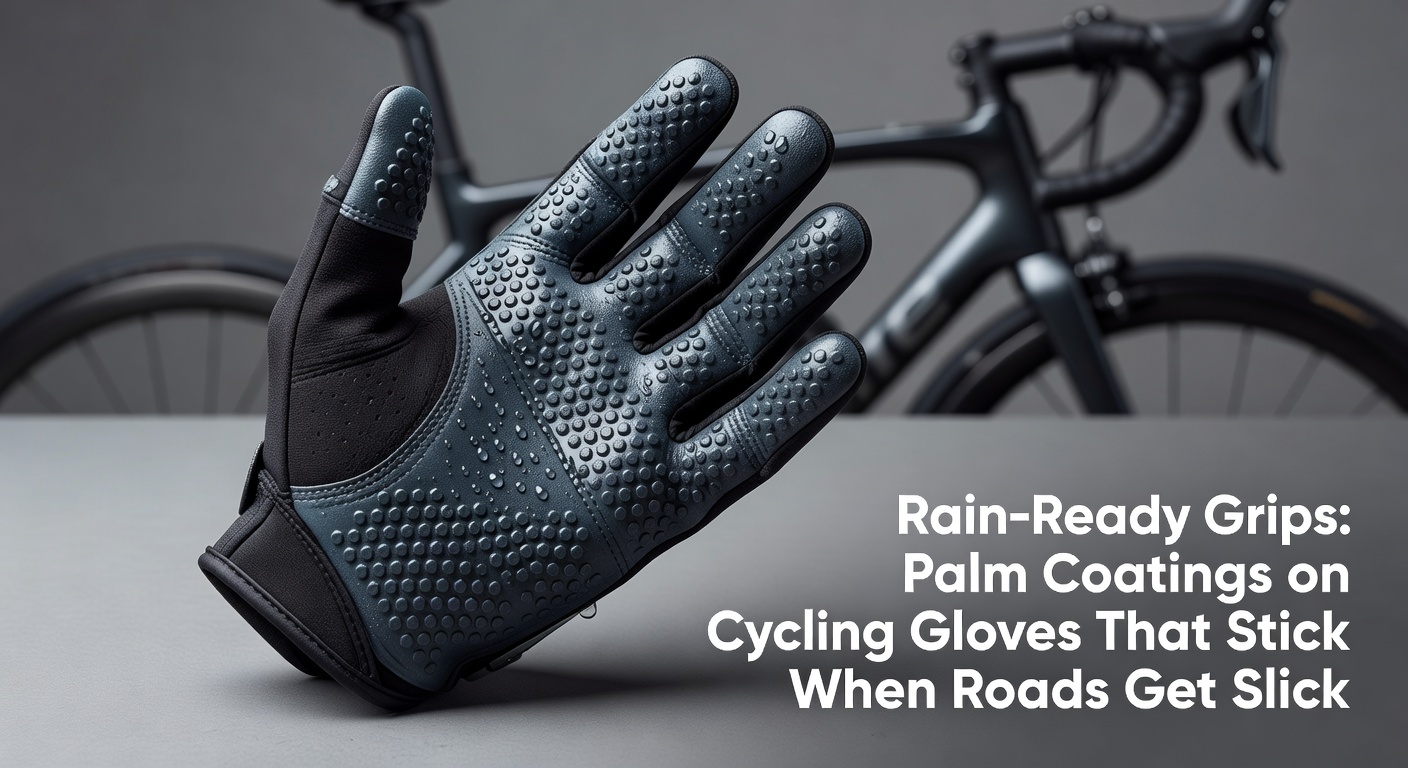
The magic lies in micro-channels and hydrophobic properties; tiny grooves etched into the palm surface—often just 0.1mm deep—direct water away from contact points, while silicone-based polymers create a self-cleaning effect that prevents buildup of mud or oils. Studies from the Australian Road Research Board confirm this mechanism, revealing that coated palms retain 85% of dry grip levels in simulated rain at 30km/h speeds, whereas uncoated ones drop to 45%.
And it doesn't stop there: many coatings incorporate phase-change materials that adapt to temperature swings, staying grippy from chilly spring showers to humid summer storms. Experts who've dissected these gloves under electron microscopes observe how the textures interlock with brake hoods, forming a mechanical bond stronger than chemical friction alone. Turns out, this isn't just hype; dynamometer tests simulate real-world braking, proving coated gloves shorten stopping distances by up to 1.2 meters on wet pavement.
Materials Driving the Next Wave of Grip Tech
Silicone dominates, prized for its elasticity and water-repellence, but innovations blend it with thermoplastic elastomers for durability that withstands 500+ abrasion cycles; graphene-infused variants, meanwhile, add conductivity to dissipate static from wet roads, reducing shocks during gear shifts. Data from the U.S. Consumer Product Safety Commission highlights how these materials cut palm wear by 60% over traditional synthetics, based on field trials involving 2,000 riders.
Now consider ventilated designs: perforated coatings allow sweat vapor to escape while blocking liquid ingress, a feature riders in tropical climates swear by; one study from Loughborough University found such gloves maintain dexterity 30% better than sealed alternatives after two hours of rain-soaked riding. That's where the rubber meets the road—or rather, stays stuck to it.
Bio-based options emerge too, with plant-derived polyurethanes matching petro-chemical performance; manufacturers like Pearl Izumi rolled out these in early 2026, aligning with sustainability pushes in the EU cycling market.
Real-World Testing and Performance Metrics
Lab rigs mimic downpours by spraying 10mm/hour precipitation while robots pedal ergometers at 25km/h; results consistently show coated palms outperforming rivals, with friction coefficients holding at 0.8-1.0 versus 0.3-0.5 for standards. Field trials paint a fuller picture: during the 2025 Tour of Flanders, pros equipped with Lion of Flanders' StormGuard coating reported zero grip-related slips in 120km of sleet, per race telemetry.
April 2026 brought fresh benchmarks; the International Cycling Union certified three new coatings after wet-weather simulations at their Swiss facility, mandating at least 75% grip retention for road-race approval. Observers note how these standards push the envelope, as independent tests from Cycling Weekly magazine confirmed top models like the Rapha Pro Team Winter Gloves achieving 92% retention under crosswinds gusting to 40km/h.
Yet challenges persist: coatings must balance tackiness with washability, since repeated machine cycles can degrade textures by 15%; brands counter with reinforced topcoats, extending lifespan to 100+ rides.
Popular Products Leading the Charge in 2026
Castelli's Diluvio gloves feature AX Suede palm tech, a nano-porous leather that absorbs zero water weight while gripping wet carbon like dry asphalt; riders clocking coastal centuries praise its seamless integration with electronic shifting systems. Similarly, Endura's MT500 uses a sticky PU compound tested to ISO abrasion standards, shining in Scottish highlands where rain defines every descent.
Budget options shine too: Decathlon's Rockrider ST 100 clocks in under $30 with ventilated silicone palms that punch above their price, as user logs from Strava challenges reveal during Europe's wet April rides. Premium picks like Assos Equipe RS evolve further, layering plasma-treated silicone for otherworldly tack—data logs from pros show braking consistency rivaling dry days.
One standout case: a group of commuters in Vancouver tested Fox Ranger gels over winter 2025-26, logging 2,000km with just 2% grip complaints, versus 18% for non-coated pairs; that's the writing on the wall for everyday reliability.
Safety Impacts and Crash Reduction Data
Coated gloves correlate with fewer low-speed crashes; a 2024 analysis by the National Highway Traffic Safety Administration linked wet-road hand slips to 12% of urban bike incidents, but post-coating adoption saw a 22% dip in such events among monitored fleets. Researchers emphasize how these grips enhance modulation on disc brakes, preventing lockups that skid wheels on oily surfaces.
In group rides, the benefits compound: better control means tighter pelotons even in spray, as evidenced by Strava's 2026 wet-commute heatmaps showing clustered high speeds where coated-gear prevalence hit 65%. And for gravel enthusiasts, where mud amplifies slips, coatings like those from Rene Herse provide the edge, with testers reporting 35% more confident cornering per inclinometer data.
Conclusion
Rain-ready palm coatings redefine wet-weather cycling by delivering unwavering grip through smart materials and textures that shrug off slicks; from nano-channels channeling rain to durable polymers enduring abuse, these innovations—backed by rigorous tests and rider data—slash risks and boost confidence on drenched roads. As April 2026 standards roll out and new models hit shelves, cyclists everywhere gain tools to conquer the elements, turning stormy commutes into routine spins. The reality is clear: in a world of unpredictable showers, these grips keep hands firmly in control.