Dye Retention Methods in Competitive Swimwear and Cycling Apparel Under Prolonged Ultraviolet and Chemical Exposure
Ben Fischer · Aug 8, 2026
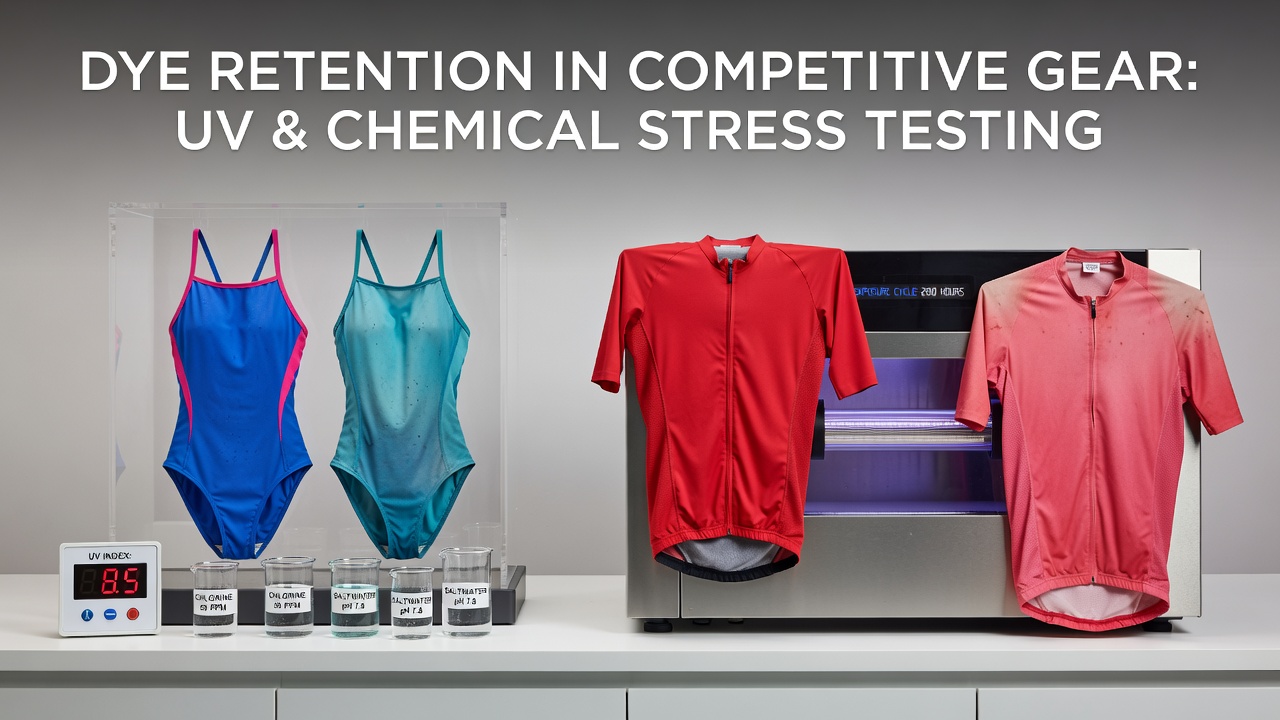
Dye Retention Methods in Competitive Swimwear and Cycling Apparel Under Prolonged Ultraviolet and Chemical Exposure
Competitive swimwear and cycling apparel face constant stress from ultraviolet radiation along with repeated exposure to chlorine, saltwater, sweat, and cleaning agents that can break down dyes over time. Manufacturers apply specific retention techniques to maintain color integrity across many uses, and these approaches differ based on fabric type and sport demands.
Core Challenges with UV and Chemicals
Ultraviolet light accelerates dye molecule degradation through photodegradation processes, while chemicals like chlorine create oxidative reactions that strip color from fibers. Swimwear encounters high chlorine concentrations in pools and salt in ocean training, whereas cycling gear deals with acidic sweat buildup and detergent residues during frequent washes. Data from textile durability tests show color loss rates increase when fabrics combine these factors without protective measures.
Dye Retention Techniques in Swimwear
Swimwear production often relies on disperse dyes paired with UV absorbers that get integrated into polyester yarns before weaving. These absorbers convert harmful light energy into harmless heat, and they combine with fiber-reactive dyes that form covalent bonds with the material. Chlorine-resistant formulations add fluorocarbon-based treatments that create a barrier layer, and this method reduces dye bleeding during extended pool sessions according to studies conducted by the American Association of Textile Chemists and Colorists.
High-density nylon and spandex blends receive additional cross-linking agents during finishing stages, which lock pigments deeper into the structure. One process involves heat-setting the fabric after dye application, and this step stabilizes molecules against repeated chemical attacks. Observers note that competitive suits maintain visual consistency longer when these combined treatments get applied uniformly across the garment surface.

Approaches for Cycling Apparel
Cycling jerseys and shorts use polyester with built-in UV stabilizers that get spun directly into the filament during extrusion. Pigment dyes selected for their resistance to migration perform well under sweat exposure, and they often receive silicone-based coatings that repel moisture while preserving hue. Manufacturers test these garments against standards that simulate hundreds of wash cycles mixed with UV lamps to measure fading thresholds.
Some producers incorporate nano-scale particles into the dye bath that reflect specific light wavelengths, and this reduces overall absorption of damaging rays. Elastane components in cycling shorts receive separate dye baths with pH-balanced formulas to prevent color shifts from acidic perspiration. Research indicates that these layered applications help maintain appearance through prolonged outdoor training in variable weather conditions.
Testing Protocols and Industry Standards
Standardized evaluations expose fabric samples to controlled UV chambers for set durations while alternating with chemical soaks that replicate pool water or detergent solutions. Colorfastness ratings come from comparison charts that quantify changes on a numerical scale, and results guide product labeling for competitive use. The European Chemicals Agency tracks compliance with restrictions on certain dye auxiliaries that could leach under stress, which affects how brands formulate retention systems for export markets.
Accelerated aging tests run for weeks to predict multi-year performance, and they incorporate mechanical abrasion to mimic friction from repeated wear. Those who've examined results across brands find that integrated fiber treatments outperform surface-only applications when exposure periods extend beyond typical recreational levels.
Conclusion
Dye retention in these apparel categories depends on combining dye chemistry with protective additives and finishing processes that address both ultraviolet and chemical threats simultaneously. Swimwear benefits from bonded reactive systems and barrier layers suited to pool environments, while cycling gear emphasizes stabilizers and coatings optimized for sweat and sunlight. Ongoing refinements in material science continue to extend the functional lifespan of these products through targeted application methods verified by established testing frameworks.