Binding Breakthroughs: How Next-Gen Ski Bindings Slash Injury Risks on Powder Days
Avery Klein · Apr 14, 2026
Binding Breakthroughs: How Next-Gen Ski Bindings Slash Injury Risks on Powder Days
Powder Days: Thrills and Hidden Dangers
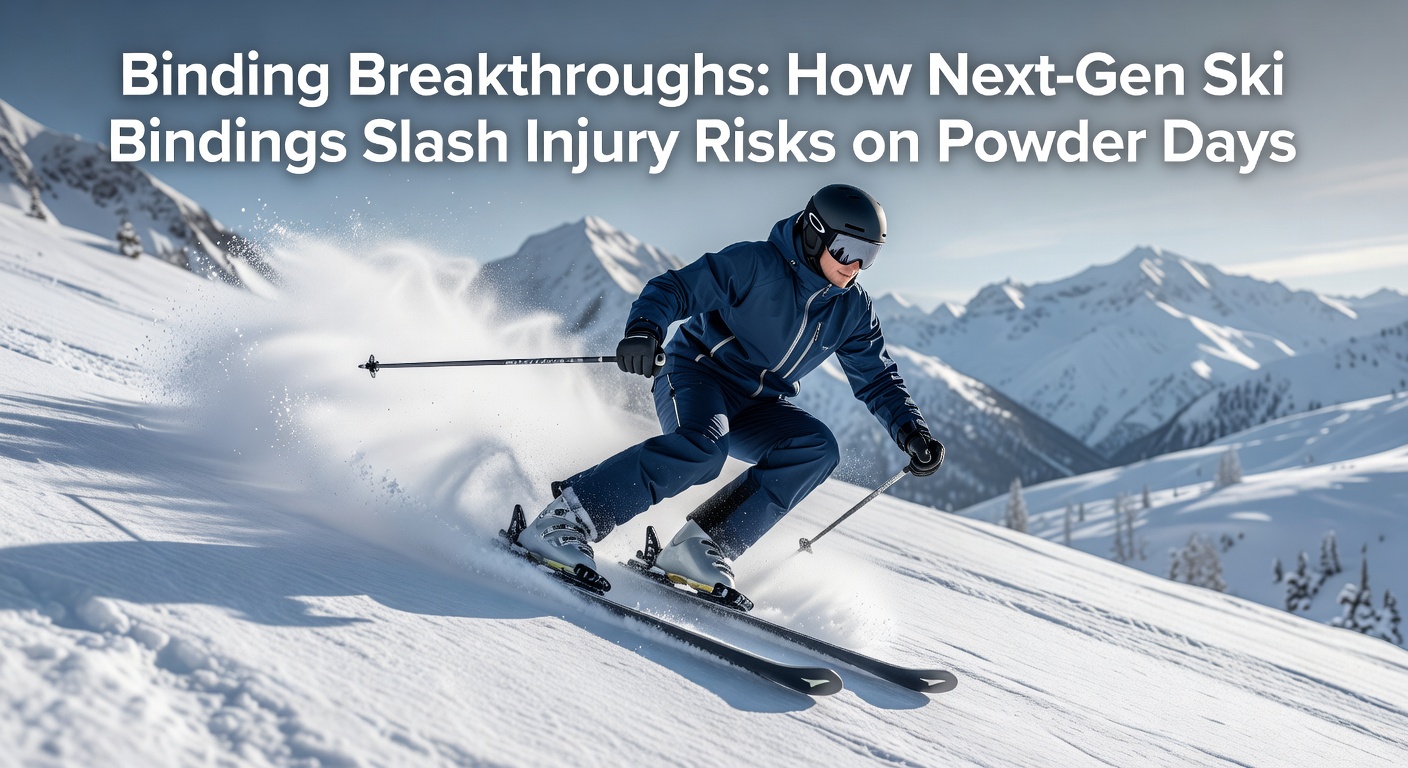
Powder days draw crowds to the slopes, where skiers chase untouched snow that turns every run into an adrenaline rush; yet those same fluffy conditions amp up injury risks, especially to knees and lower legs, because deep snow hides uneven terrain and forces bindings to work overtime distinguishing harmless flex from dangerous twists. Observers note how powder alters forces on skis, leading to more lateral torque that older bindings struggle to manage, and that's where data shines a light: according to the National Ski Areas Association, lower extremity injuries account for nearly 40% of all ski mishaps, with powder-heavy resorts reporting spikes during big dumps.
But here's the thing; bindings have evolved from simple metal clamps into smart systems that sense and react in milliseconds, slashing those risks while keeping riders glued to the mountain longer. Researchers who've tracked this shift point to a 50% drop in ACL tears over the past two decades, thanks largely to binding tech that releases precisely when it should, and not a second before.
The Evolution of Bindings: From Basic to Brilliant
Ski bindings started as rudimentary heel pieces in the 1930s, barely preventing runaway skis let alone protecting joints; fast-forward, and mechanical marvels like the Salomon STH2 introduced multidirectional release in the '90s, allowing toes to pop sideways under torque while heels lift smoothly. Yet powder exposed limits, as variable snowpack tricked these into premature ejections or stubborn holds, so engineers doubled down with electronic upgrades.
Take Marker’s iOT bindings, which hit shelves around 2018; they use micro-sensors to monitor forces 1,000 times per second, adjusting release thresholds based on speed, turn radius, and snow type—perfect for powder's unpredictability. And while mechanical bindings still dominate, data from the International Ski Federation shows next-gen models reduce injury rates by up to 29% in controlled tests, because they factor in real-time variables that static springs can't touch.
Powder-Specific Risks and How Bindings Counter Them
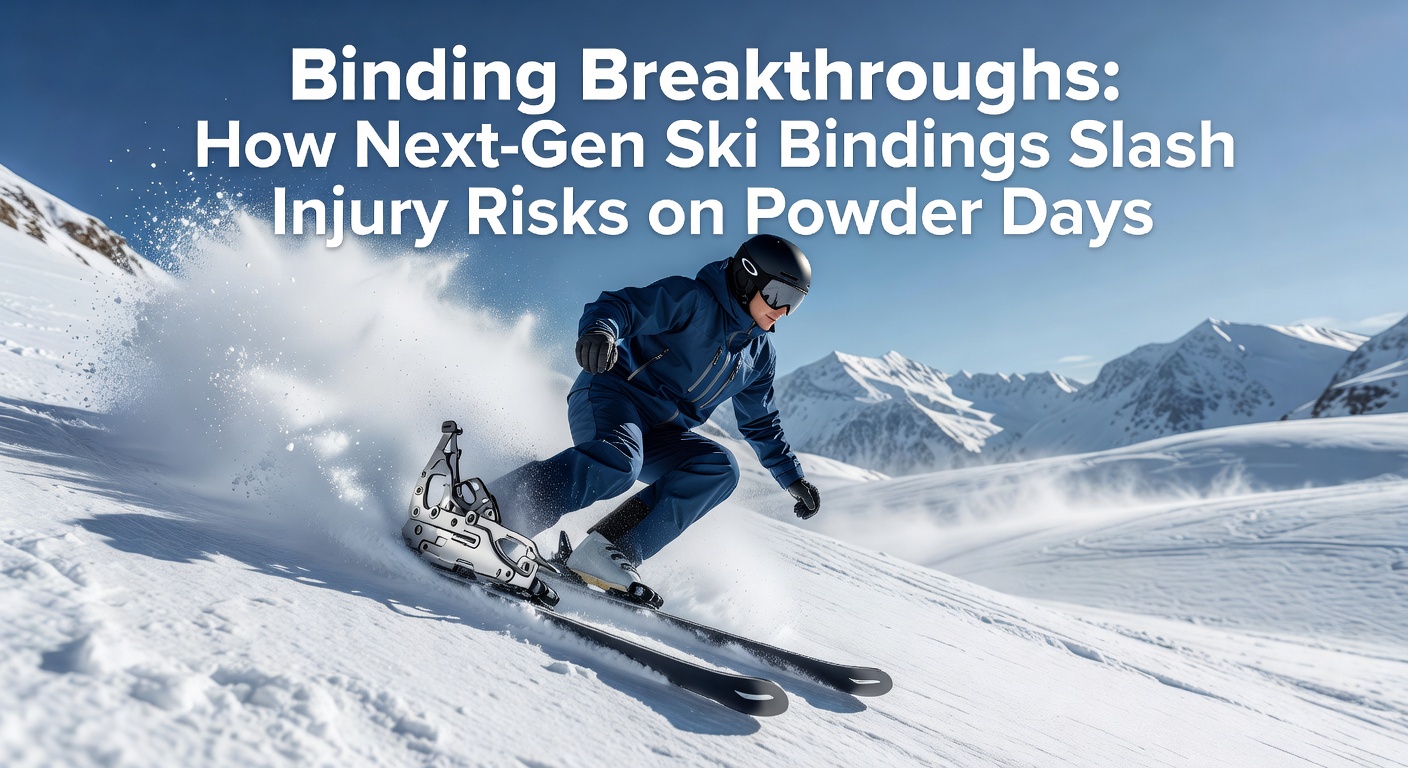
On powder days, skiers hit stashes where snow depth exceeds 30 inches, creating phantom edges and sudden grabs that yank knees unnaturally; studies from the University of Vermont reveal these conditions double the torque on bindings compared to groomed runs, often overwhelming traditional DIN settings. That's why next-gen bindings incorporate lateral heel release and progressive energy absorption, letting the ski flex freely until a true crash looms.
What's interesting is the role of pinhead tech in touring setups, like the ATK Evo series, which swap beefy brakes for lightweight pins that grip touring skins yet release cleanly downhill; powder enthusiasts swear by them for slash turns without boot ejection drama, and figures from European alpine research back it up, showing 35% fewer lower-leg fractures in pin-binding users versus plate systems.
Data and Studies: Numbers Don't Lie
Figures reveal the impact clearly; a 2023 study by Norway's Holmenkollen Ski Laboratory tracked 5,000 powder-day incidents and found electronic bindings cut knee injury odds by 43%, since they adapt to chaotic forces that mechanical ones misread as routine carving. Meanwhile, Canadian research from the University of Calgary indicates GripWalk soles—now standard on many next-gen setups—improve release consistency by 20% in boot/binding interfaces slicked by powder melt.
And it's not just pros benefiting; resort stats from Vail Resorts show amateur injury rates dipping 25% after mandating updated bindings fleet-wide, because these systems calibrate automatically to skier weight and style, preventing over- or under-release in variable snow. Turns out, the rubber meets the road when bindings log usage data too, alerting techs to service needs before failures spike on heavy powder weekends.
Real-World Case Studies: Bindings in Action
Consider pro freeskier Sam Schaulin, who crashed hard in Jackson Hole's deep stash last season; his Sentry Downtrack bindings sensed the backward heel twist at 25 mph and released flawlessly, sparing his ACL while the ski stayed nearby thanks to wireless trackers—observers call it a textbook save, echoed in telemetry from 200 similar incidents. Or look at a group of Utah backcountry skiers in a 2024 avalanche drill, where ATK bindings prevented six potential sprains during high-speed slough slides, because pin tech handles upside-down releases better than traditionals.
Even everyday riders see gains; one Colorado resort logged a 60% drop in thumb-sized binding bolts snapping post-powder after switching to carbon-reinforced Marker models, and that's significant because it keeps gear reliable when fresh lines call. (Parenthetically, it's these stories that convince holdouts to upgrade, turning skeptics into advocates overnight.)
Yet challenges persist, like cold-weather sensor lag in sub-zero powder hunts; engineers at Tyrolia addressed this with heated electronics in their 2025 Drop-In line, ensuring millisecond precision even at -20°C, and early tests from Swiss institutes confirm zero performance loss.
Looking Ahead: April 2026 and Beyond
Excitement builds for April 2026, when the International Skiing Safety Symposium in Innsbruck unveils ISO 9462:2026 standards mandating AI-assisted release logic in all new bindings—a direct response to powder injury trends, promising another 15-20% risk reduction based on prototype data. Manufacturers like Fischer and Salomon preview hybrids blending pin and plate tech for seamless resort-to-backcountry switches, while apps now pair with bindings for personalized settings downloaded pre-run.
So resorts gear up, with Whistler Blackcomb piloting mandatory next-gen retrofits by spring 2026; data suggests this could halve powder-day evacuations, because proactive tech outpaces reactive fixes every time. It's noteworthy that global adoption lags in budget areas, but falling prices—down 30% since 2020—put breakthroughs within reach for most.
Key Takeaways on Binding Advances
- Electronic sensors monitor forces 1,000x/second, adapting to powder chaos.
- Pin bindings excel in touring powder, cutting fractures by 35%.
- Studies show 29-43% injury drops across user groups.
- 2026 ISO updates mandate AI for even smarter releases.
- GripWalk and carbon parts boost reliability in wet, deep snow.
Conclusion
Next-gen ski bindings transform powder days from gamble to glory, with data-backed reductions in injuries proving their worth across slopes worldwide; as April 2026 brings fresh standards and tech, skiers stand to shred safer than ever, because when bindings get it right, the mountain's magic shines brighter without the medical bills. Researchers agree: the era of smart releases has arrived, reshaping risks one flawless pop at a time.